
Prepaid electricity is supposed to make household budgeting easier. In practice, it often does the opposite: you top up, watch the units disappear, then realise the real cost is not just the tariff itself, but everything in the home that quietly burns through power all day and night. In South Africa, that pressure has become harder to ignore. Tariffs have moved up sharply in recent years, and when electricity gets more expensive, every wasted unit hurts more.
If your goal is to make prepaid electricity last longer, the answer is not one dramatic trick. It is a set of small changes that work together: cut waste, control the biggest loads, and stop paying for habits that do not improve your life. The good news is that households do have room to save. The biggest savings usually come from the same places: geysers, cooking, heating, standby power, and poor timing. The challenge is being disciplined enough to act on them every day.
This guide focuses on practical steps you can actually use in a real South African home. No fantasy advice. No guilt. Just the things that help units stretch further without making the house unbearable to live in.
Why prepaid units disappear so fast
The first thing to understand is that prepaid electricity does not always cost the same per unit throughout the month. In many cases, the more power you use, the more expensive the later units become. That means a home that is already heavy on electricity can end up paying more for the same comfort than a lighter-usage home. Once you cross into a higher usage band, the cost of each new unit can become painfully less forgiving.
That is why “just be careful” is not enough. A household that runs a geyser too long, leaves appliances on standby, cooks inefficiently, and uses heating carelessly may not only consume more units, but also push itself into pricier territory faster. Prepaid users need to think in two directions at once: reduce total usage and avoid wasteful spikes.
It also helps to stop treating electricity as an invisible bill. If you buy units and never check how quickly they are falling, you are operating blind. You need a rough sense of what a normal day costs in your home. Once you know that, a sudden spike becomes easier to spot and fix.
Start with the geyser
If you want the single biggest lever in a typical South African home, start with the geyser. It is often the largest electricity user in the house, which means it is also the fastest route to savings. Many homes spend a large share of their electricity just keeping water hot when nobody needs it. That is expensive comfort.
There are a few ways to bring this under control. First, reduce the time the geyser runs if your household pattern allows it. A geyser that is heated all day can waste more than one that is used strategically. Second, insulate what you can. Heat that escapes from the tank and pipes has to be replaced with more electricity. Third, pay attention to bathing times. If the home runs multiple showers in a row, plan them in a tighter window instead of repeatedly reheating water across the day.
Where practical, a timer or thermostat adjustment can make a real difference. The point is not to make hot water unavailable. The point is to stop paying to keep a tank at full heat for hours when nobody is using it. In many homes, that change alone can reduce the monthly bill meaningfully.
It also helps to make the family part of the fix. If one person is taking long, unnecessary baths or running hot water for no reason, the whole house pays. Geyser savings work best when everyone understands that hot water is a shared cost, not a private luxury.
Kill the silent waste
Some of the easiest savings come from things that do not look expensive at first glance: chargers left in the wall, televisions on standby, decoders that stay on, and small appliances plugged in even when they are not in use. Individually, these loads feel minor. Together, they become a slow leak in your prepaid balance.
This is where a simple unplugging habit helps. If a device does not need power, unplug it. That includes phone chargers, kettles after use, microwaves with clocks you do not need, and anything else drawing power for convenience rather than necessity. A power strip with a switch can make this easier in rooms with several devices.
The value here is not only the electricity saved. It is also the discipline you build. Households that get serious about standby waste usually become more aware of other waste too. That awareness is useful because it shifts people from passive consumption to active control.
Do not expect a huge monthly miracle from one unplugged television. The savings are cumulative. The point is to stop the drip-feed of waste that never announces itself but always lands on your meter.
Cook like electricity costs money, because it does
Kitchen habits can burn through units faster than people realise. Kettles, stoves, ovens, microwaves, air fryers, and other appliances can draw serious power depending on how they are used. A kettle, for example, can demand a large burst of energy in a very short time. That is not a reason to avoid it entirely. It is a reason to use it intelligently.
Boil only the water you need. Reboiling the same kettle several times a day adds up. If you are making tea for one person, do not fill the whole kettle. If you are cooking, batch tasks where possible so the stove or oven is not being switched on repeatedly for small jobs.
Plan meals with electricity in mind. A one-pot meal can be cheaper in both ingredients and power than a more complicated dish that requires constant heating. If you already know that your household is under electricity pressure, avoid habits that keep appliances running longer than necessary. Pre-heating an oven for too long, opening it repeatedly, or reheating small portions over and over all cost money.
Also be honest about convenience cooking. Appliances that promise speed are not automatically cheap. Sometimes they are efficient, sometimes they are not. The right question is not “What is modern?” but “What uses the least power for this task in my house?”
Use heating and cooling with restraint
In many homes, electricity waste comes from trying to fight the weather with brute force. A heater running for hours in a poorly insulated room can drain units quickly. So can fans and air cooling used carelessly. The aim should be comfort, not maximum power use.
For cold weather, wear warmer clothing inside before reaching for a heater. Close doors to keep heat in one room rather than trying to warm the entire house. Use blankets, curtains, and sunlight to your advantage. If you only need one room comfortable for a few hours, heat that room, not the whole property.
For hot weather, try reducing indoor heat first. Open windows when it makes sense, block direct sun, and use ventilation before switching on anything that draws more power than necessary. Ceiling fans and portable fans are usually a better first step than energy-hungry cooling options, but even then, use them with intention rather than leaving them on without thinking.
Most households overspend on comfort because they chase immediate relief. The better approach is to reduce the discomfort itself, then use electricity sparingly to close the gap. That may sound small, but across a month it matters.
Change the way you use lighting
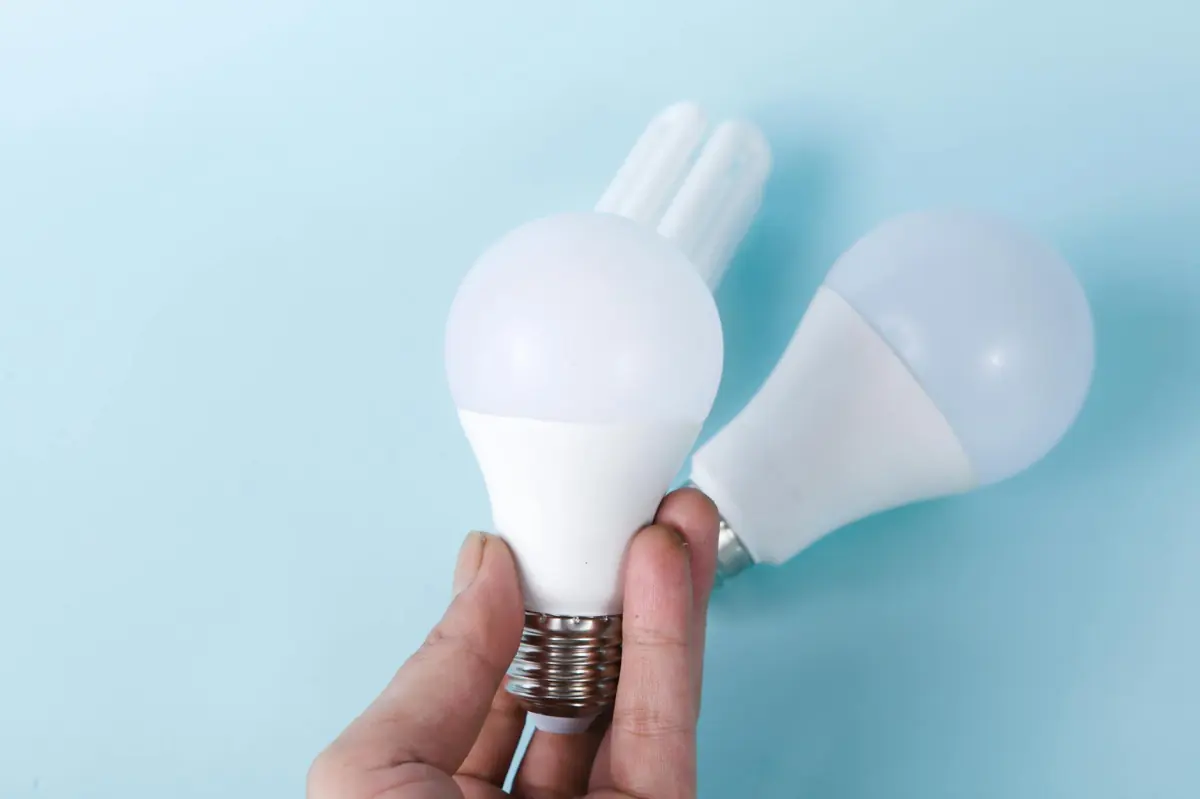
Lighting is one of the easiest areas to improve because the fix is straightforward. Switch to efficient bulbs where possible, and stop lighting rooms that nobody is using. A room-by-room habit is far better than keeping half the house bright out of convenience.
Daylight is free. That sounds obvious, but many homes still use artificial light when there is enough daylight to work with. Open curtains earlier, move tasks closer to windows, and avoid keeping lights on “just in case.” Those little choices reduce unnecessary use without making the house harder to live in.
If you are still using older, inefficient bulbs, replacing them can be a sensible upgrade. The upfront cost matters, but efficient lighting often pays back over time through lower usage. The question is not whether one bulb changes your life. It is whether a house full of better lighting habits changes your bill.
Also be disciplined about outside lights. Security matters, but so does not paying for more lighting than you actually need. Use enough light to stay safe, then stop. More is not automatically better.
Track your usage every day
One of the most powerful habits is also one of the simplest: check your prepaid balance often. Do not wait until the meter is nearly empty before asking what happened. Daily or near-daily monitoring gives you a chance to catch bad habits early. If yesterday’s usage was far higher than normal, you can trace the reason before the whole budget is gone.
This is especially important if your household changes from day to day. Visitors, a home office, extra cooking, school holidays, or a cold snap can all raise usage. If you do not track the pattern, it is easy to blame the tariff when the real issue is the home’s own behaviour.
Keep a simple mental benchmark. For example: how much does a normal weekday cost? What about a weekend? What about days when the geyser is used more heavily? Even rough numbers help. Once you can compare a “normal” day to a wasteful day, you can respond faster.
If you prefer a written note or phone record, use that. The format is less important than the habit. The goal is to stop treating electricity as a mystery and start treating it as something you manage.
Make the whole house part of the plan
Prepaid savings fail when one person tries to carry the burden alone. If everyone in the household uses electricity as if someone else is paying for it, the units will disappear no matter how good the plan is. Real savings come from shared rules.
That can mean simple household agreements: turn off lights when leaving a room, keep showers shorter, unplug chargers, do not run the geyser all day, and ask before using high-draw appliances for long periods. These rules work best when they are practical, not preachy. People are more likely to follow them when they can see the savings and understand the reason.
If children live in the home, teach them early that electricity is limited and expensive. The lesson should be about responsibility, not fear. Kids who understand that power costs money are more likely to adopt sensible habits naturally.
It also helps to connect the savings to something tangible. If the family saves electricity, maybe that means more money for groceries, transport, school needs, or emergency cushion. When people can see what the savings protect, they are more willing to stick to the rules.
Think long term, not just this week
Some savings are immediate. Others require a bit of spending first. That is the reality of managing electricity under pressure. You may need to buy a more efficient appliance, replace a bad seal, insulate a geyser, or improve a part of the home that leaks heat or forces overuse. Those are not luxury upgrades. In many cases, they are cost-control decisions.
If you have to choose, start with the changes that pay off fastest. Fixing a geyser habit will usually beat buying an expensive new gadget. Unplugging waste will usually beat chasing a trendy product. Once the basics are under control, you can look at better equipment and home improvements that reduce consumption over time.
That long-term view matters because electricity pressure is not going away. Tariffs rise, household budgets stay tight, and the homes that cope best are usually the ones that build habits instead of hoping for relief. A prepaid meter rewards discipline. It punishes carelessness quickly.
So the practical answer is this: make your units last longer by treating electricity like a controlled expense. Reduce geyser waste, kill standby load, cook more efficiently, use lighting properly, and watch your usage every day. If you do those things consistently, you will not eliminate the bill, but you will take back some control from it.
That control is the real saving. Not only fewer wasted units, but fewer surprises, fewer emergency top-ups, and fewer days where the meter runs out before the month does.